Figures from the UK music industry have responded to new government action on AI and copyright, but argue that much more needs to be done beyond this first step.
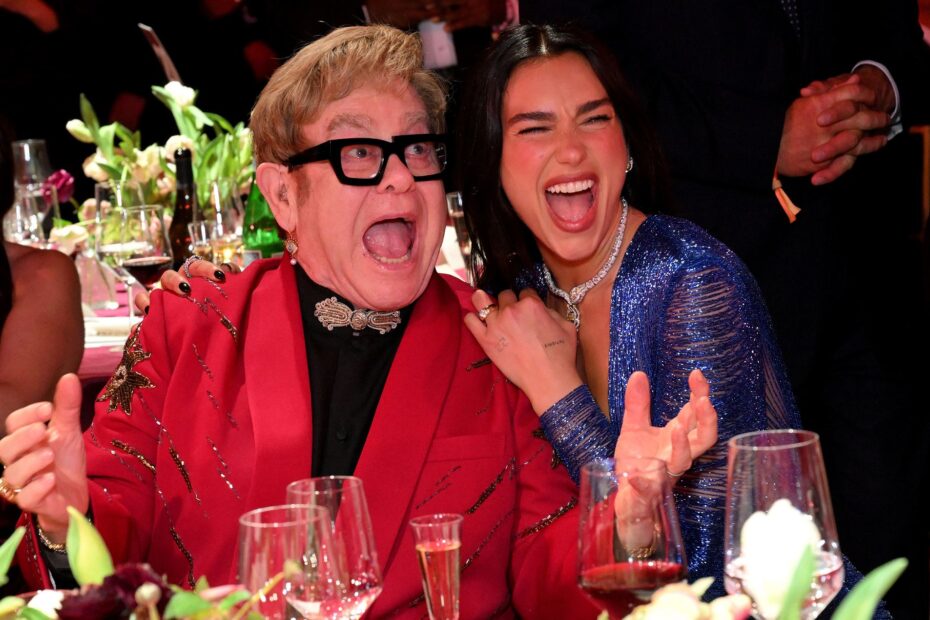
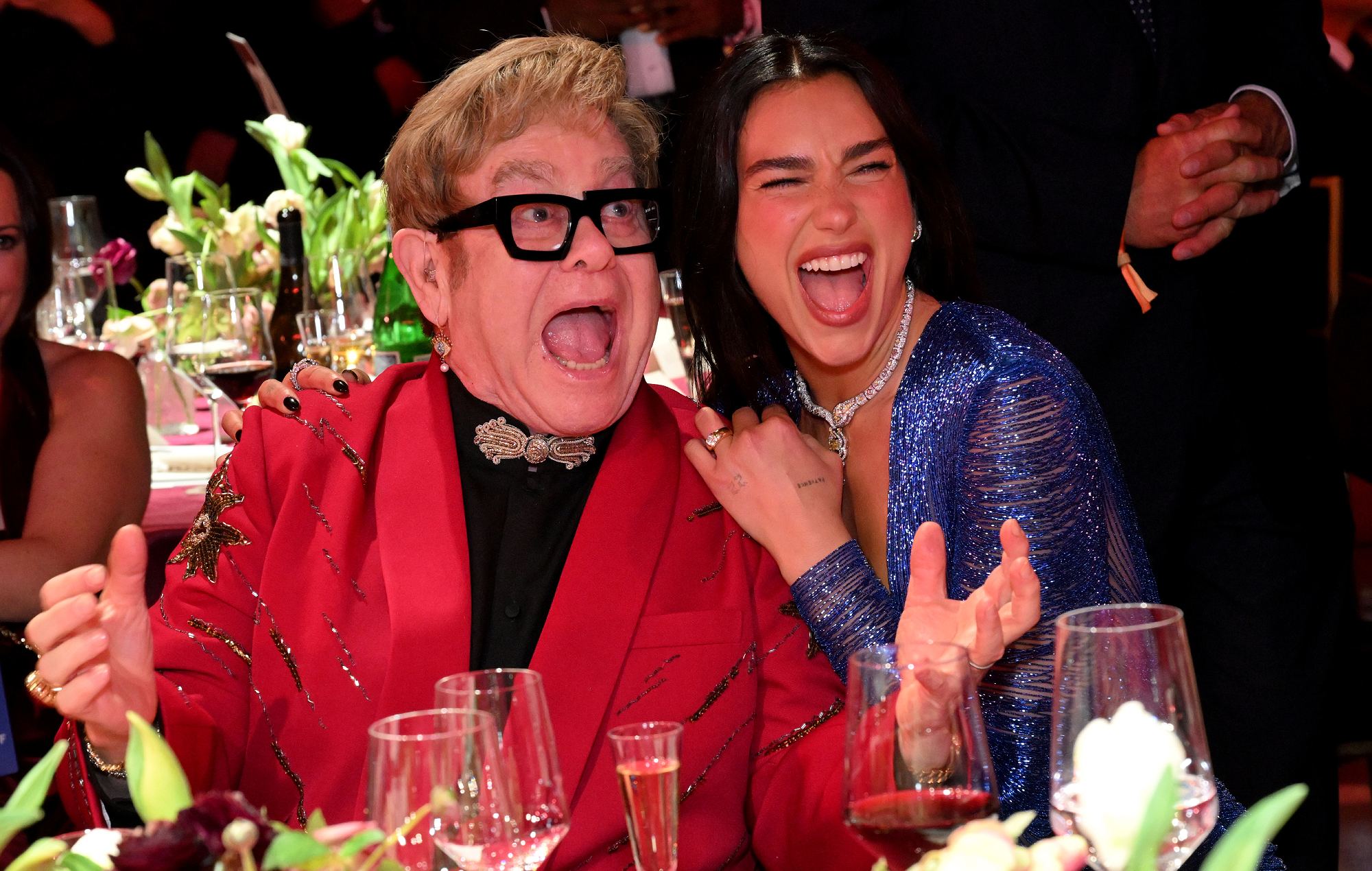
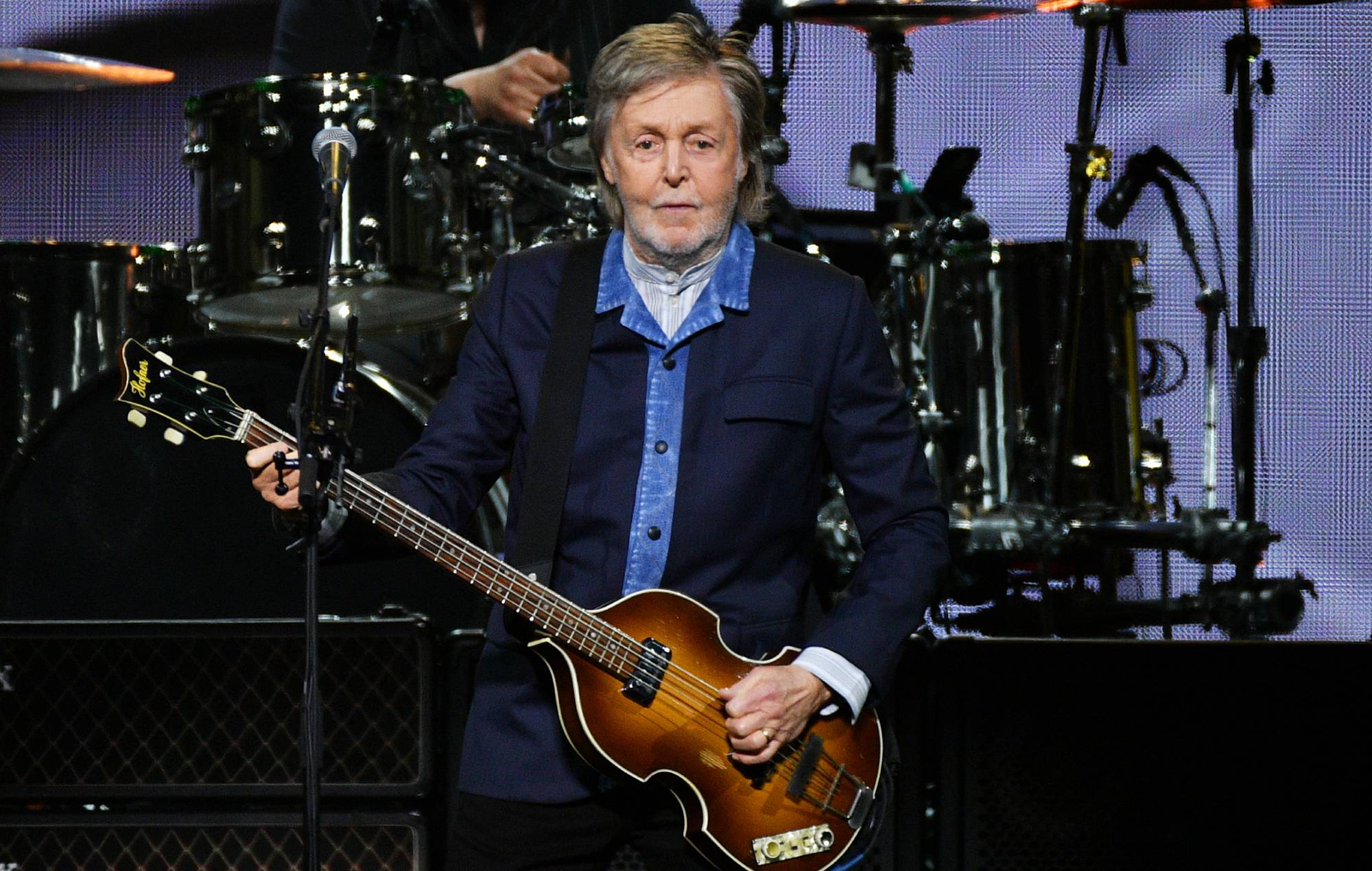
Today (Wednesday March 18), the government announced it will ditch “deeply damaging” plans to allow AI firms to use copyrighted works without permission. The likes of Paul McCartney, Kate Bush, Dua Lipa and Elton John have led a campaign urging the government to protect artists’ work from being ripped off, after the government previously put forward controversial plans to change copyright rules to let AI firms “steal” copyrighted works without paying or seeking consent from music creators, writers and artists.
The new reversal in policy comes as Technology Secretary Liz Kendall has now confirmed that the plan is no longer the government’s preferred option and that they’ve ditched the proposed Text and Data Mining Exception.
UK Music Chief Executive Tom Kiehl said he was “delighted” that the “deeply damaging change to the use of copyrighted works” had been scrapped, adding that he now “urged the government to go further and rule out resurrecting this plan throughout their period in office.”
“It remains vitally important that the government does not now consider any kind of alternative copyright exception that would negatively impact creators and rightsholders in the music industry,” he said. “The 220,000 people in our sector, which generates £8billion for the UK economy, should be entitled to work and earn a living without the constant fear that the fruits of their labour could effectively be taken by AI firms without payment or permission.
“We support the Government’s decision to push the reset button on the debate on AI and copyright. This now gives us the opportunity to engage in a more detailed discussion with the Government about key issues such as digital replicas, transparency, labelling and independent creatives.”
Kiehl added: “We will be working with the government and our UK Music members to set a concrete timeline for Government action on this reset and what it means for the developing AI market. Our key priority remains championing the UK music industry and helping it continue to grow and coexist with AI firms in a fair marketplace.”
View this post on Instagram
The Ivors Academy joined in welcoming the announcement, but said that “the work is far from done” and that it now fell upon the government to “deliver a framework where AI companies license creative works with authorisation from creators, pay fair remuneration and provide transparency to creators and listeners alike” and “introduce new personality rights to protect songwriters and composers from AI-generated replicas of their voices and identities”.
“We welcome the UK government’s decision to not move forwards with a new text and data mining exception and listen to the 88 per cent the respondents to its consultation who called for stronger copyright and licensing,” said Ivors Academy CEO Roberto Neri.
“Avoiding the worst outcome is the first step. The government’s renewed focus on creator control and transparency, digital replicas, and the labelling of AI-generated content puts songwriters and composers where they should be – at the heart of this debate.”
Neri continued: “We’re committed to working with the government to ensure that AI companies license music, pay creators fairly with the authorisation and transparency they are due, and introduce new personality rights to protect songwriters and composers from deepfakes and digital replicas.”
Speaking to NME at the end of last year, the Secretary of State for Culture, Media and Sport Lisa Nandy said that “one size fits all” approach would not work when it comes to AI laws across the arts.
“The challenges that are facing the music industry are not the same as the challenges facing the publishing industry,” she told us. “We’re seeing a number of central deals being struck around music which are helping, but don’t undermine the case around collective licensing. There are smaller musicians and smaller companies that aren’t covered by those. We do still understand the need for legislation, particularly around transparency. Any new system needs to have a legislative underpinning.
Promising government action by spring 2026 at the time, Nandy added: “The message I most want to give to people in our creative industries is that right across government, we recognise that the creative industries are the crown jewel of British industry.
“We lead the world and light it up in these things. We value them so highly that we put them at the centre of our industrial strategy. Our message is really clear: whatever model we collectively develop, if it doesn’t work for creatives then it doesn’t work for us.”
Featured Artist Coalition CEO David Martin, meanwhile, told NME that he wanted the government’s response “to commit to meaningful copyright reform that puts consent, transparency and fair remuneration at its core”.
“There can be no use of artists’ work in AI training without explicit permission and proper licensing, and both AI platforms and the rightsholders who license them must be accountable for ensuring creators are properly authorised and paid,” he said. “Separately, we urgently need stronger personality and image rights so artists can control — and, where appropriate, license — the use of their voice, likeness and identity in the age of generative AI.”
In an open letter – also signed by Coldplay, Florence Welch, Kate Bush and Robbie Williams – hundreds of artists last year argued that “creative copyright is the lifeblood of the creative industries” and “recognises the moral authority we have over our work and provides an income stream for 2.4million people across the four nations of the United Kingdom”.
View this post on Instagram
“The fight to defend our creative industries has been joined by scores of UK businesses, including those who use and develop AI,” the letter went on. “We are not against progress or innovation. The creative industries have always been early adopters of technology. Indeed, many of the world’s greatest inventions, from the lightbulb to AI itself, have been a result of UK creative minds grappling with technology.”
“The first job of any government is to protect its citizens,” the letter added, claiming the bill would “put transparency at the heart of the copyright regime and allow both AI developers and creators to develop licensing regimes that will allow for human-created content well into the future.”
Many of the artists to have signed the letter have been outspoken already on the issue, with Paul McCartney saying previously: “You get young guys, girls, coming up, and they write a beautiful song, and they don’t own it, and they don’t have anything to do with it. And anyone who wants can just rip it off.”
“We’re the people, you’re the government! You’re supposed to protect us. That’s your job. So you know, if you’re putting through a bill, make sure you protect the creative thinkers, the creative artists, or you’re not going to have them.”
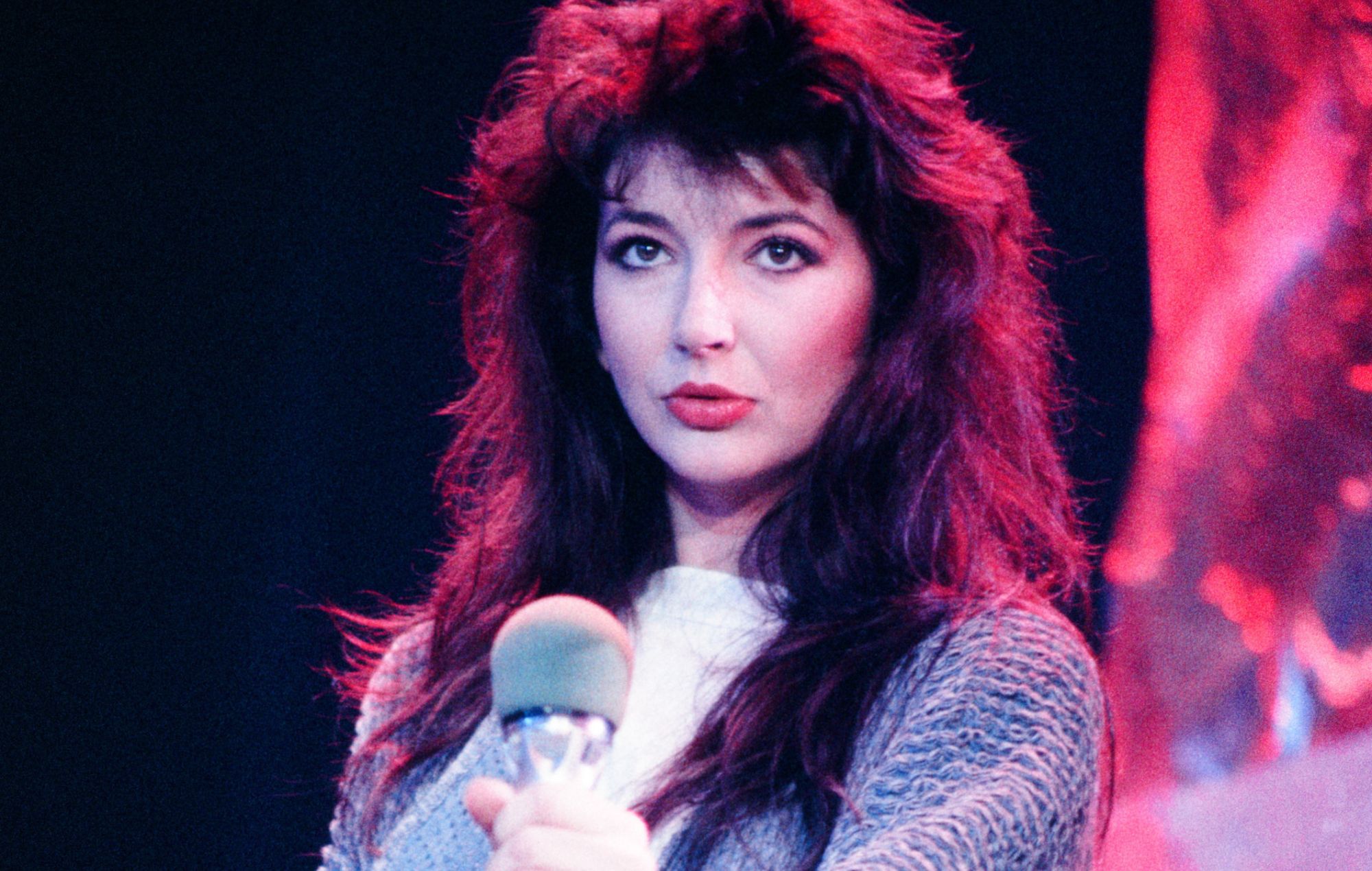
Last year also saw the likes of Damon Albarn, Kate Bush, and Annie Lennox join over 1,000 artists in releasing the silent album ‘Is This What We Want?’ to draw attention to the potential impact that artificial intelligence could have on the music industry. “In the music of the future, will our voices go unheard?” asked Bush.
A recent survey found that 97 per cent of people “can’t tell the difference” between real and AI music, while most fans have said they want more restrictions on what AI can do.
Apple Music have now introduced a feature that will let you know if you’re listening to music made with AI, while Deezer revealed that 28 per cent of music uploaded to the platform is fully AI-generated.
The AI-generated artist Xania Monet also made headlines last year after signing a multimillion-dollar record deal and becoming the first AI artist to chart on the US Billboard rankings. The poet and designer behind the project said she saw Monet as “a real person” who is “challenging the norm”.
In September, Cardiff rock group Holding Absence hit out at an AI ‘band’ which had overtaken their streaming figures on Spotify. Frontman Lucas Woodland wrote: “So, an AI ‘band’ who cite us as an influence (ie, it’s modelled off our music) have just overtaken us on Spotify, in only TWO months.”
The vocalist continued: “It’s shocking, it’s disheartening, it’s insulting – most importantly – it’s a wake up call.”
The post UK music industry responds to new government action preventing AI firms from using work without permission – but more needs to be done appeared first on NME.